Cold chains do not forgive mistakes. A few degrees off spec, a short power blip, a door left ajar too long, and your product takes a hit in quality or safety that you cannot reclaim. That is why cold storage facilities have evolved into precise, engineered environments where temperature, humidity, air movement, sanitation, and process control all work together. Whether you are storing berries for 48 hours between harvest and pack-out, holding vaccines through seasonal demand swings, or building a regional distribution hub in a hot climate like South Texas, the fundamentals remain the same. Keep the product within its ideal envelope, move it efficiently, and prove it with data.
What counts as cold storage
Cold storage is any temperature-controlled storage designed to preserve product quality and extend shelf life. It spans a spectrum of set points and designs, from cool rooms for produce to ultra-low freezers for biopharma. The basic categories most operators recognize look like this: chill (33 to 40°F), frozen (0 to -10°F), deep frozen (-10 to -20°F), and ultra-low (down to -80°F, sometimes colder). Within that range, humidity targets vary by product, and air speed is tuned to balance uniformity and dehydration risk.
The term cold storage warehouse covers a lot of ground. Some are ambient buildings with a single insulated box inside. Others are purpose-built, multi-chamber facilities with independent temperature zones, blast freezing cells, staging rooms, and dedicated docks. Retailers ask for high-throughput refrigerated storage with automation to hit next-day delivery. Food manufacturers want space to build inventory ahead of promotions. Pharmaceutical companies need qualified, validated rooms with rigorous monitoring and backup systems. On the consumer side, temperature-controlled storage resembles self-storage with climate guarantees, used for wine, art, or sensitive electronics. The common thread is control and proof of control.
A quick walk through the facility
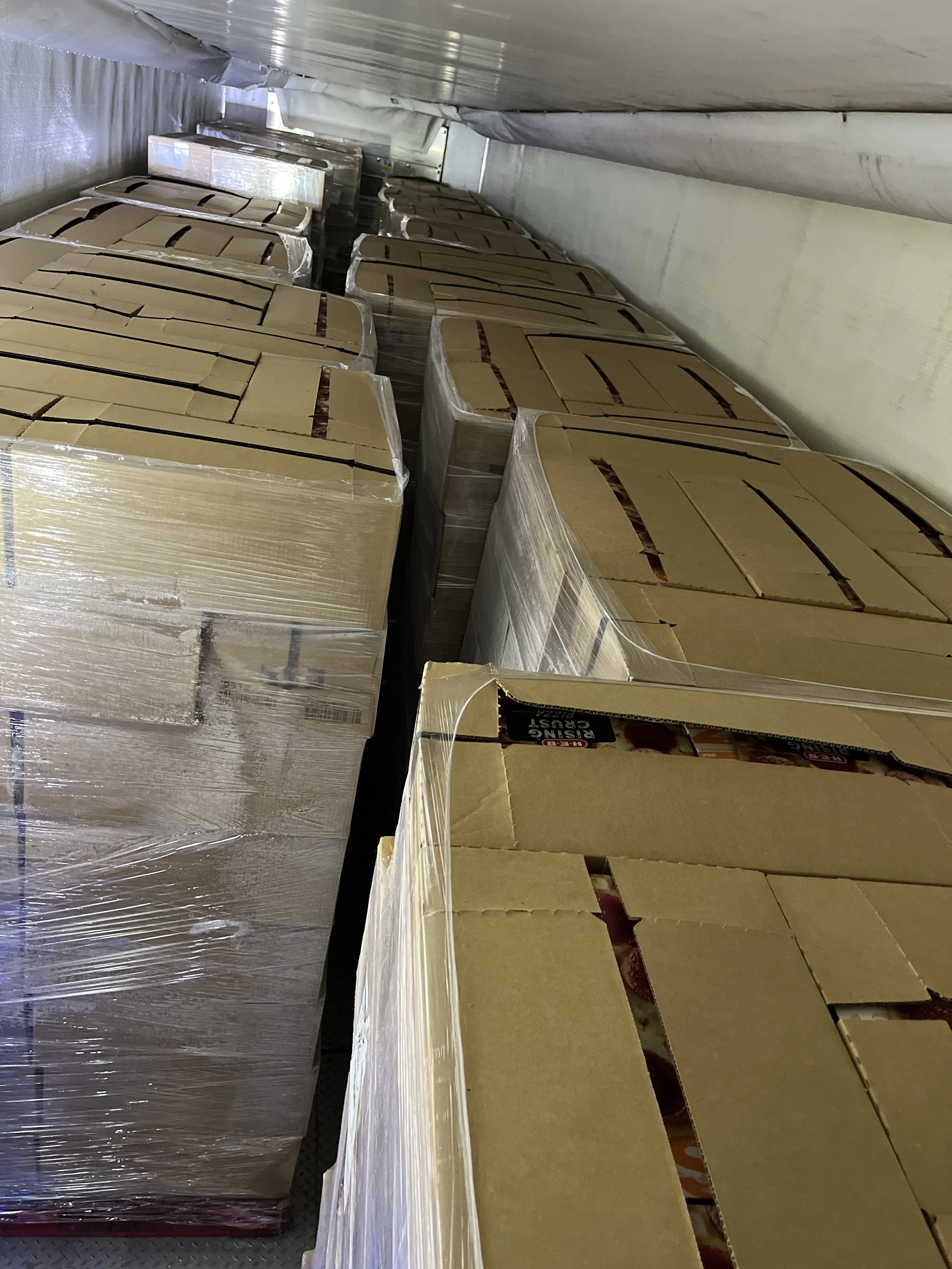
If you have never walked a cold storage facility, the flow seems straightforward. Trucks back onto sealed docks. Product arrives through a temperature-buffered loading area so outside heat does not rush in. Pallets are checked, scanned, sometimes probed with instant-read thermometers, then slotted into racking in a controlled zone. Orders are picked in a separate aisle set up for ergonomics at low temperatures. Before outbound, product rests in a marshalling area to consolidate shipments, then rolls back onto temperature-controlled trailers. At each step, time and temperature limits govern handling. Operators track dwell times, door opens, and even the time forklifts spend inside the room, because every minute has a thermal cost.
The equipment is a blend of insulation, refrigeration, airflow management, and controls. Insulated metal panels build the envelope. Evaporator coils hang overhead, moving cold air in a pattern designed to prevent hot spots. High-speed doors reduce infiltration. Floor heat keeps subgrade soil from freezing and heaving in freezers. Ammonia or CO2 systems do the heavy lifting, often paired with variable speed drives and sophisticated controls to modulate capacity. None of this matters without disciplined people and clean processes. A sloppy dock routine or a poorly sealed pallet undermines even the best plant.
Types of cold storage, and where they fit
Chilled rooms support fresh produce, dairy, and beverages. They are typically set between 34 and 38°F, with humidity tuned around 85 to 95 percent for leafy greens and lower for items that dislike condensation. It is common to separate ethylene-sensitive produce from emitters like apples and bananas, because gas buildup ages sensitive items prematurely.
Frozen storage holds meats, baked goods, and ingredients that need stability over months. Set points typically run from 0 to -10°F. Many facilities add a dedicated blast freezer that drives the product core temperature down rapidly. Quick freezing forms smaller ice crystals and preserves quality better than a slow freeze. You see the difference when thawed: fewer drips, tighter texture, better color.
Deep frozen rooms go colder than -10°F for ice cream and specialty items. Ice cream in particular is unforgiving. At warmer holding temperatures, it suffers from recrystallization and sandiness, so operators aim for a stable -20°F. Door control and airflow matter here, because frequent infiltration creates surface frost which then reduces airflow and efficiency.
Ultra-low and specialty storage serve life sciences and high-value research materials. These setups hold at -20°C, -40°C, or -80°C using compressor cascades or liquid nitrogen. Redundancy is standard. Backup power, dual compressors, continuous data logging, and alarming to phones and email are not luxuries. They are the difference between a bad night and a million-dollar loss.
Temperature-controlled storage for consumers operates in milder ranges, often 55 to 65°F with humidity control for wine, art, and archival materials. Security and access control join environmental stability as priorities.
Layout choices that pay off
The best layout is the one that fits your product flow and your climate. In a hot, humid city like San Antonio, the dock design can make or break your energy bill. A drive-in, sealed dock with vertical storing levelers and insulated dock doors cuts moisture infiltration. Buffer rooms between dock and main cold room save more. Air curtains and fast roll-up doors reduce mixing when traffic is heavy. In cooler climates, the energy penalty of a conventional dock is smaller, so the cost-benefit calculus shifts.
Racking and aisle design shape labor productivity. Double-deep and drive-in racking maximize cubic utilization for full-pallet storage at the cost of selectivity and travel time. For high-SKU pick operations, selective rack or mobile rack keeps picking efficient. Taller buildings with narrow aisles and turret trucks win when land is expensive, but the gear and training requirements rise. Every cold facility fights frost on floors and ruts from condensation. Good floor coatings, door discipline, and regular defrost cycles keep things safe.
The role of data, from operations to audits
A modern cold storage facility behaves like a monitored machine. Sensors log air temperature, product temperature, humidity, door openings, fan speeds, compressor runtimes, and power consumption. The data feeds into warehouse management systems and quality platforms. When a customer asks for proof that their frozen berries never topped 10°F during a summer heatwave, you produce a time-stamped chart and the corresponding trailer probe logs. When energy use spikes after a coil frosts over, the system flags it and maintenance investigates before ice builds to the point of damage.
Audits come from multiple directions: food safety, customer requirements, insurers, regulators. A well-run site keeps calibration records for thermometers and probes, sanitation logs, pest control reports, and corrective actions tied to nonconformances. None of this paperwork is busywork. It is how the industry stays honest about quality.
When location matters: regional nuances and the San Antonio example
Cold storage near me searches spike whenever businesses face shelf-life pressure or seasonal demand. Proximity to farms, ports, and population centers defines feasibility. In South Texas, cold storage San Antonio TX serves a wide radius. Citrus and produce move up from the Rio Grande Valley. Meat and dairy flow in from processors. Retail and foodservice distribution radiate out to Hill Country communities and urban neighborhoods. The climate is hot and humid for much of the year, which raises the stakes for insulation, door management, and defrost strategies. It also influences equipment selection. Many operators favor ammonia systems with evaporative condensers sized to handle high ambient temperatures. Water availability and quality become part of that decision.
For shippers, a cold storage warehouse San Antonio TX offers strategic benefits. Interstate access allows overnight delivery to Austin, Houston, the Permian Basin, and into Northern Mexico, while staying within acceptable temperature hold times. The city’s labor market and utility infrastructure support larger sites compared to some smaller markets. On the flip side, land costs and traffic patterns can influence where within the metro you want to build or lease.
Anecdotally, the most common operational headache I have seen in San Antonio is wet docks during peak humidity, which leads to ice-rich floors when the cold meets that moisture. The cure is mundane: better vestibules, disciplined door cycling, and dehumidification at the dock. This is not glamorous, but it is what keeps people upright and pallets intact.
If you are evaluating a cold storage warehouse near me option for South Texas, tour more than one site. Ask how they measure and manage infiltration, how often they defrost coils in summer, and how they handle harvest surges. These details separate a facility that looks clean on a quick walk-through from one that stays consistent under stress.
Advantages that show up on the bottom line
The obvious advantage of cold storage facilities is shelf-life extension, but the benefits compound in less visible ways. Quality retention translates to fewer customer complaints and less rework. Inventory flexibility lets you build stock ahead of a promotion without compromising freshness. Precise temperature control reduces weight loss in meats and produce, which is cash saved on every pallet. Insurance premiums often reflect the rigor of your monitoring and backup systems. For exporters, access to customs-certified, temperature-controlled space can speed clearance.
On the operations side, energy efficiency improvements add up. Variable frequency drives on fans, floating head pressure, demand defrost, and smart sequencing of compressors cut kilowatt-hours without compromising temperature. High-speed doors with proper seals reduce the load imposed by forklift traffic. LED lighting produces less heat and reduces energy and maintenance. When you quantify these savings, payback periods often fall between two and five years for the bigger upgrades, faster for controls tuning.
Food safety and regulatory expectations
In food and pharma, the facility is only one piece of a larger compliance picture, yet it carries heavy responsibility. The Food Safety Modernization Act put more emphasis on preventive controls, including temperature controls and monitoring. For meat, USDA inspectors may be present daily. Seafood HACCP plans outline critical control points and corrective actions if temperatures drift. Pharmacies and healthcare distributors lean on Good Distribution Practices, validation protocols, and change control. The day your cooler drifts outside spec is the day your documentation has to prove you noticed, acted, and protected the product or quarantined it.
Cleanability is baked into the design. Sloped floors to drains, adequate lighting, washable surfaces, and enough space around evaporators to access and clean them all matter. The best facilities schedule sanitation like maintenance, with tasks for coil cleaning, drip pan treatment, and drain inspection. Skipping these items shortens equipment life and risks microbiological growth.
Transport interfaces: trucks, reefers, and the last 100 feet
Cold rooms can only do so much if the handoff to transportation is sloppy. Reefer trailers must arrive pre-cooled and set to the correct mode. Continuous run mode is common for sensitive cargo because start-stop cycles create temperature swings. Airflow in the trailer depends on proper loading patterns that avoid blocking the return air. In practice, that means leaving space at the front and using pallets or slip sheets that allow air under and around the product. I have seen product arrive warm in the middle of a pallet simply because shrink wrap was applied too tightly, sealing in heat. The fix was easy: vented wrap and a shorter pre-cool window before loading.
Data loggers are cheap insurance. Many shippers place a logger in the center of the load and near the doors. If a claim arises, the temperature trace tells the story. Facilities that integrate logger retrieval into receiving streamline investigations and cut finger-pointing.
Choosing the right partner or building your own
The choice between using a third-party cold storage warehouse and building your own depends on volume, variability, and capital. A 3PL spreads fixed costs across many customers, offers immediate capacity, and brings specialized labor and systems. The tradeoff is control and sometimes cost per pallet if your volume is large and steady. Building gives you exactly the layout you want, with the controls and redundancy you choose, but demands capital and operational expertise.
If you are touring a facility, a short checklist helps focus the conversation:
- Ask for recent temperature mapping and calibration records, and see how they handle alarms after hours. Look at dock practices during a busy window. Note door open times, staging habits, and whether trailers are sealed to the dock. Check coil condition and defrost routines. Frost-heavy coils point to infiltration or defrost issues. Review energy management practices. Variable speed fans, setpoint strategies, and maintenance logs reveal operational maturity. Understand their recall drill. How fast can they identify, locate, and quarantine specific lots by temperature zone and time window.
Five questions will not tell you everything, but they tend to expose whether a site truly lives its processes.
Technology trends worth watching
Not every innovation earns its keep, but several trends have matured. Natural refrigerants such as ammonia and CO2 are now mainstream. CO2 transcritical systems have improved with parallel compression and ejectors, making them viable in warm climates that once posed efficiency challenges. Ammonia with low-charge packaged systems reduces risk while preserving efficiency.
Controls have moved beyond simple thermostats and timers. Machine learning is a buzzword, but practical tools like demand defrost based on coil temperature differential or humidity, floating suction strategies, and predictive maintenance based on vibration and amperage are standard in well-run plants. Automated storage and retrieval systems show up in high-throughput, high-labor-cost markets. They perform well in the cold because machines do not mind -10°F, but the capital and integration work require scale.
On the data side, customers expect real-time visibility. Integrations between WMS, transportation systems, and temperature monitoring give a shared view of product status. That can be the difference between rerouting a load to save it and discovering a loss at delivery.
Costs, and how to keep them in line
Cold storage is not cheap space. Construction costs for refrigerated storage usually run significantly higher per square foot than ambient warehouses, driven by insulated panels, refrigeration plants, floor systems, and electrical gear. Operating costs reflect energy and maintenance. To keep costs predictable, start with a clear thermal load calculation. Overestimating load drives oversized equipment and wasted capex. Underestimating creates capacity crunches in summer.
Right-size your envelope. Insulation levels should reflect climate and usage. In a hot market with high door cycles, investing in better doors, vestibules, and controls often yields more than adding inches of panel insulation. Targeted dehumidification at docks reduces frost, improves safety, and lowers defrost energy. Train your team to treat air as a product. Every open door is product leaving the building in the form of cold air.
Edge cases and pitfalls
Frozen does not mean safe forever. Quality drifts if product sits near the threshold for months, and temperature cycling damages texture. Pharmaceuticals held within label ranges can still degrade with excursions that do not trigger alarms if the label range is wide. Humidity control gets less attention than temperature and causes headaches like carton collapse or label failure. Weight loss from dehydration, known as shrink, can cost more than the energy used to hold a tighter humidity band.
Watch for the mixing of incompatible products. Strong odors migrate even at low temperatures. An operator once stored fish near delicate bakery items in a shared chilled room with high airflow, a combination that turned into an expensive lesson. Proper segregation and packaging solve this, but the risk is real.
Power resilience is another blind spot. Backup generators sized only for lights and IT do not protect product. Prioritize which rooms must hold and how long. Test under load. Have fuel contracts that work during regional outages. The time to discover a transfer switch issue is not during a storm.
Where consumer-oriented temperature-controlled storage fits
Outside of the industrial world, people look for temperature-controlled storage near me when they need to protect wine, instruments, photographs, or household goods during a move or renovation. These spaces are often kept in a narrow comfort range with air filtration. The risks differ from food and pharma, but the logic is similar. Avoid temperature swings, control humidity, and prevent mold. If you are storing wood furniture in San Antonio, aim for a facility that manages humidity as well as temperature. Summer moisture can warp wood even when the temperature feels fine.
For small businesses, refrigerated storage near me searches often lead to shared kitchens or co-warehousing with small refrigerated storage san antonio tx walk-ins. The rules still apply. Verify that the operator logs temperatures, maintains equipment, and has a plan for outages. Shared spaces can work well when expectations are clear.
The case for local: why proximity still matters
Even with great long-haul refrigerated transport, proximity reduces risk. A cold storage warehouse near me cuts exposure time between production and holding. It allows tighter delivery windows, which improve freshness. It also supports returns and rework when something inevitably goes sideways. For grocers, a local refrigerated storage node keeps back rooms lean and stores better stocked during spikes. For restaurants and meal kit companies, a temperature-controlled storage San Antonio TX option within an hour or two means product spends less time in traffic and more time in controlled conditions.
Proximity also supports sustainability goals. Shorter routes reduce emissions. Efficient cross-docking can consolidate loads and reduce empty miles. High-efficiency facilities that publish energy intensity metrics let shippers choose greener partners.
Bringing it together
Cold storage facilities are a blend of physics, process discipline, and local reality. The types span chilled rooms, frozen warehouses, deep-frozen specialties, and ultra-low applications. Uses range from food distribution to pharmaceuticals, from export staging to consumer valuables. The advantages show up in quality, safety, flexibility, and cost control when done well.
If you are evaluating options, whether a purpose-built cold storage warehouse or a regional operator offering refrigerated storage in a climate like San Antonio’s, focus on the unglamorous details. How is air kept where it belongs. How are deviations detected and handled. What data proves performance. Walk the dock on a muggy afternoon and watch door behavior. Ask to see defrost schedules, alarm histories, and calibration logs. The right answers sound practical, not theatrical.
Cold chain failures make headlines because the stakes are high. Quiet success is measured in products that taste as they should, therapies that remain potent, and customers who never think about the many degrees and decisions that protected their order. That is the goal. And when you find or build a facility that hits it day after day, you feel it in fewer losses, smoother operations, and a reputation that turns first-time shipments into long-term business.
Auge Co. Inc 3940 N PanAm Expy, San Antonio, TX 78219 (210) 640-9940 FH2J+JX San Antonio, Texas