Supply chains leave footprints you can measure in diesel fuel, cardboard, square footage, and time. When you strip storage out of the middle of a network and keep goods moving, those footprints shrink. That is the central promise of cross docking, and it is more than a routing trick. Done well, a cross dock warehouse changes the physics of a distribution system, shaving miles off trips, slashing touches, and trimming the energy and materials that sit behind every carton on a shelf.
This is not a universal remedy. Some products need to rest, cure, or be inspected. Some markets stretch across huge distances where direct cross dock flows do not make sense every day. Still, for a wide swath of consumer goods, parts, and perishables, a cross dock facility can deliver measurable environmental wins while improving service. And because sustainability often lines up with efficiency, many of those wins pay back quickly.
What a Cross Dock Actually Does
A cross dock warehouse looks simple from the street. Long building. Lots of dock doors. Trailers nose in, pallets roll across a short stretch of concrete, and outbound trucks pull away with mixed loads bound for stores, jobsites, or parcel hubs. The facility may hold goods for a few hours, sometimes overnight. The point is speed and flow, not storage.
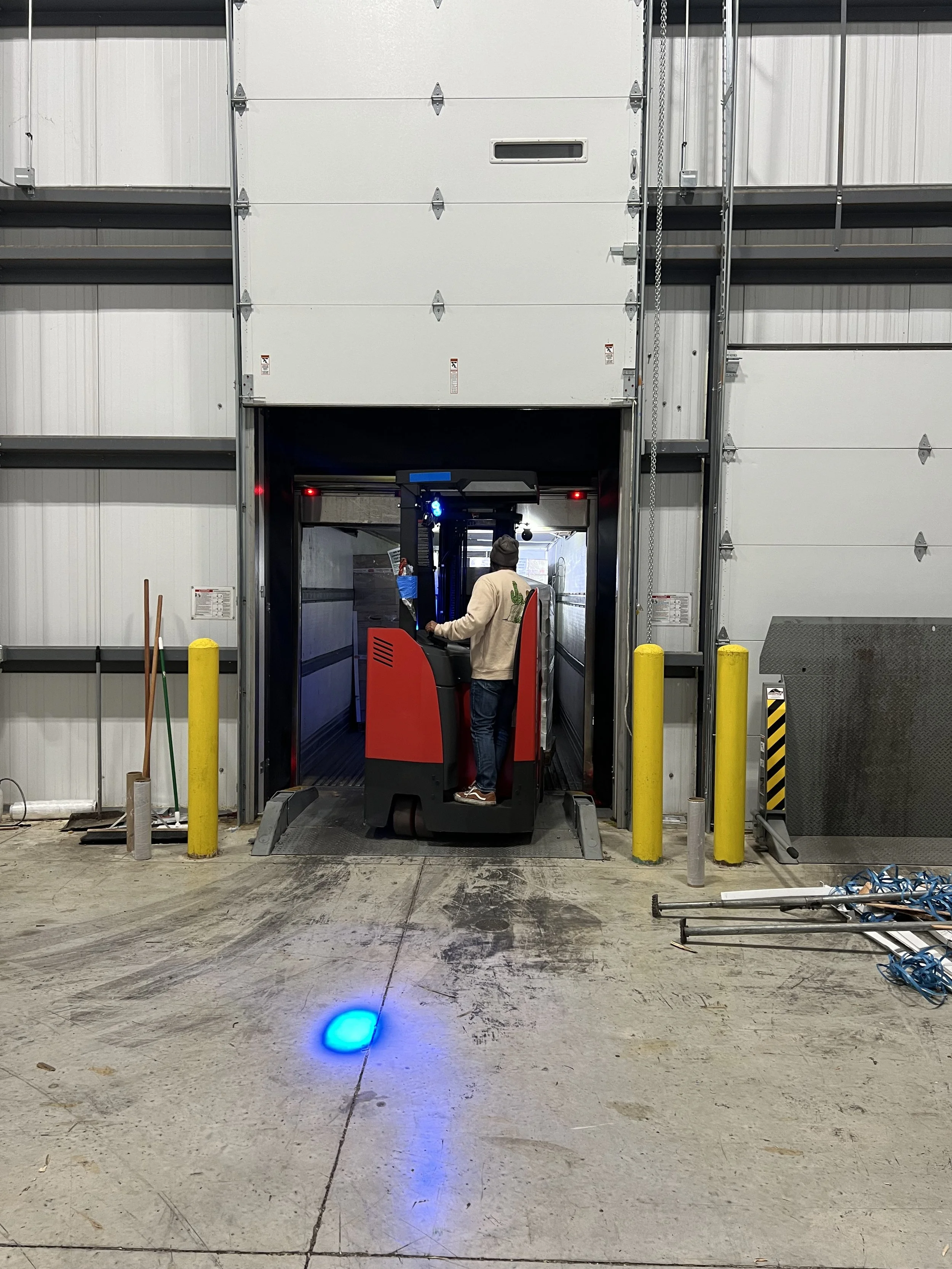
That simplicity hides a choreography built on schedules, yard management, dock assignments, and real time visibility. When it works, cross docking replaces two warehouse processes with one. Instead of receiving to storage and later picking to ship, a cross dock facility receives, sorts, and ships in a single pass. That change ripples through fuel burn, packaging, equipment hours, and labor.
In regions with dense demand, like a city ringed by suburbs and industrial parks, the math gets attractive fast. In places like San Antonio, with distribution lanes radiating north toward Austin and Dallas, south to Laredo and the border, and east and west along I 10, the geographic fit is strong. A cross dock warehouse in San Antonio TX can consolidate upstream freight from Mexico and the Gulf Coast, then break it down for local or regional delivery with fewer miles and fewer idle days.
The Carbon Arithmetic Behind Cross Docking
It helps to quantify the claim. Emissions in a warehouse network split across transportation and facility operations. Transport dominates in most networks, often 70 to 90 percent of total logistics emissions, depending on mode mix and asset age. Buildings, material handling equipment, and packaging fill in the rest.
Cross docking attacks three drivers at once.
First, it reduces miles. The classic hub and spoke move replaces long LTL lines with one inbound truckload and several short outbound deliveries. If you can improve trailer fill on the inbound and tighten outbound routing, you cut total miles per unit. On a simple consumer goods lane, it is common to see a 10 to 20 percent reduction in miles per case when moving from scattered direct-to-store shipments to cross docked consolidation.
Second, it reduces touches. Fewer putaway and retrieval events mean fewer forklift hours and less electricity or propane. In a conventional DC, each pallet might see two or three forklift cycles to reach storage and staging. A cross dock sort often needs one. Across tens of thousands of pallets a month, that difference trims energy by several percent and reduces equipment wear.
Third, it reduces time. Short dwell time means fewer climate control hours for temperature sensitive items. Even in ambient buildings, HVAC load scales with volume, hours of operation, and infiltration from dock doors. If goods spend 6 hours in a facility rather than 6 days, the per‑unit share of building energy plummets.
The added impact comes from packaging. When you skip long storage, you can switch from overbuilt stability packaging to purpose fit transit protection. Some shippers eliminate stretch wrap on full pallets and use reusable straps or corner boards for the brief cross dock interval. Small decisions like that save materials at scale.
San Antonio’s Geography and Why It Matters
Sustainability is local. Roads, weather, and vendor clusters shape the options. In South Texas, the combination of I 35, I 10, and the NAFTA trade flow makes cross docking especially potent.
Most long haul northbound freight from Monterrey and Saltillo crosses at Laredo. Rather than pushing every trailer north to Dallas for sorting, a cross dock facility in San Antonio TX can intercept, mix vendor freight, and dispatch right sized loads to central Texas stores, construction sites, or parcel hubs the same day. That change reduces deadhead miles, light loads, and overnight detention. For shippers with seasonal peaks, this also avoids temporary storage in crowded DCs far from consumption.
Local anecdote: a building products distributor I worked with used to stage two days of inventory in a suburban DC outside San Antonio. In the summer, when demand for roofing materials spiked after storms, the DC clogged and trucks idled at the yard gate. After shifting to a cross dock approach at a facility on the south side, they rebuilt routes to hit San Antonio metro drops first, then loops to New Braunfels and Seguin. They shaved about 12 percent off fuel use in the region over a quarter, which matched the route mileage analysis within a point or two. The surprise was a reduction in returns, because loads now left sooner and fit delivery windows better, which cut extra trips.
Companies evaluating cross docking services San Antonio often start with basic questions: do we have enough inbound volume to build efficient outbound waves each day, and how many delivery windows do our customers allow? When those answers point to daily rhythm, a cross dock warehouse near me typically beats a more distant hub on both emissions and service.
Not All Freight Belongs on a Cross Dock
Some items misbehave in fast flows. Drums that need settling time after filling, products with fragile retail packaging, and goods requiring lengthy quality checks push back against immediate cross dock transfer. So do slow movers, where you would end up sending half empty trucks just to maintain same day departures.
There is room for hybrids. You can blend cross docking with a small buffer for exceptions. In practice, that looks like a cross dock facility with a few rows of rack for one to three days of stock on SKUs prone to mismatch. Or a reserved cooler for perishables when inbound and outbound temperatures do not align. The key is designing the process so the buffer does not become a crutch that grows until it swallows the building.
Facility Design Details That Move the Needle
Sustainability gains come from layout and habits more than from slogans. The best cross dock warehouses have a few traits in common.
Door count and spacing matter. The ratio of doors to square footage directly influences dwell time and forklift travel. Aim for short, straight runs from inbound to outbound. Every extra 30 feet adds seconds to a move and more chances for congestion.
Yard management is energy management. Poorly planned trailer moves burn diesel for no service benefit. Using a yard tractor with electric or low emission power for short repositioning cuts local pollution and noise. Tight appointment scheduling reduces idling trucks parked outside neighborhoods where air quality concerns carry weight.
Lighting and controls are low drama wins. LED high bays with motion sensors drop lighting electricity by 40 to 70 percent compared to old metal halides. In a cross dock, where activity ebbs and flows and aisles can sit empty for hours at night, those sensors pay back quickly.
Material handling choices show up directly in emissions accounting. Electric forklifts powered by a reasonably clean grid and charged during off peak hours will beat propane units on both emissions and noise. They also allow for regenerative braking systems that extend battery life. Training drivers on smooth acceleration and cornering saves energy and reduces tire dust, which is an underappreciated particulate source in warehouses.
Waste reduction strategies hinge on repeatable packaging. Where possible, move to pooled reusable pallets or slipsheets for internal transfers. Cross docks see the same retail chains and carriers day after day, which simplifies standardization. If you must use stretch wrap, set targets based on tests. Many lines overwrap by habit. A two wrap reduction on a high volume lane may eliminate thousands of pounds of plastic per year without compromising load stability.
The Data You Need Before You Start
A successful cross dock operates on clocks, not guesswork. You do not need a full warehouse management system to try it, but you do need to see a few numbers clearly.
Inbound arrival variance drives staffing, door assignments, and sort design. Look at the last six months by lane and vendor. If a route runs three hours late every other Thursday, plan around it or fix it.
Outbound time windows define the day. Work backward from customer availability and carve the schedule into waves. If parcel cutoffs are at 8 p.m., picking a wave at 6:30 p.m. forces compressed sort times and mistakes. A 5 p.m. wave gives breathing room and buffer for surprises.
SKU velocity and cube distribution determine sort complexity. A cross dock with a handful of high cube, low SKU count pallets flows easily. One with thousands of small case SKUs needs different sorting tools and more quality checks. Track damage rates and misroutes in the pilot phase before you scale.
Trailers in and out become moving constraints. Door to door transfer works best when inbound and outbound ratios stay balanced within a shift. When you see multiple inbound peaks paired with a single outbound surge, you need more staging or temporary storage, which eats into sustainability and service goals.
Why Local Partnerships Matter
A local operator brings more than a building. In San Antonio, a provider of cross docking services with seasoned dispatchers and relationships at nearby carrier terminals can absorb weather swings, border crossing delays, and late tenders better than a distant DC. They know which roads flood in heavy rain and which neighborhoods push back on early morning noise. Those practical details reduce idling, rework, and missed windows, all of which carry environmental costs.
If you are looking for cross docking services near me, prioritize partners who publish on time performance and damage rates. Ask how they handle exceptions, and whether they can provide carbon reporting tied to your shipments. A credible operator will be comfortable discussing trade offs, like when it makes sense to hold a partial load to build density versus dispatching to meet a tight delivery promise.
A Realistic View of Cost and Payback
Cross docking often lowers per unit cost, but the distribution of savings matters. You may invest in more dock doors, better yard tractors, and additional staff on evening shifts. Those outlays show up immediately. Savings from reduced transport miles and fewer touches accumulate over weeks.
Practical ranges: in networks with good density, it is common to see transport cost per case fall by 8 to 18 percent after moving to a cross dock model. Facility operating costs per case may drop by 5 to 10 percent due to energy and labor efficiency. Not every operation hits those numbers. Markets with thin demand or highly variable inbound schedules might see only a modest reduction. The sustainability gains track with the cost story, because fuel and energy costs mirror emissions. Many companies pair the operational shift with a move to renewable electricity for the site, which further tilts the emissions ledger.
Measuring the Environmental Impact Without Guessing
Stakeholders will ask for proof. Build a baseline before you open the doors. Track three metrics across at least one quarter: miles per shipped unit, kWh per shipped unit, and pounds of packaging per shipped unit. Layer in damage rate, since waste from damaged goods erases a lot of good work.
After go live, run the same metrics monthly. Expect noise in the first month while teams adjust. Look for trend lines in quarter two and three. In my experience, the most reliable early indicator is dwell time. When average dwell drops below 10 hours for the bulk of volume, miles and energy efficiency usually follow.
If you operate a cross dock warehouse in San Antonio TX or similar markets with strong solar potential, consider a rooftop solar array sized to daytime loads. Cross docks concentrate work in daylight hours, which lines up with solar production. Even a modest array can offset lighting and office loads, and in many utility territories, incentives shorten payback.
The Human Side: Training and Culture
Sustainability gains rarely endure without the workforce on board. In a cross dock, the job feels different from a storage DC. Pace, communication, and coordination with drivers carry more weight.
Start with simple, visible goals. Post dwell time targets by wave. Share damage rates weekly. Recognize drivers and dock teams when they hit double milestones, like a week with 100 percent on time departures and zero misroutes. These cues tee up coaching moments about why an extra minute on stretch wrap matters less than clearing a door for an inbound truck that is idling outside.
Invest in cross training. When a team member can load, sort, and run a yard tractor, the operation flexes to cover spikes without extra labor or long idling waits. Cross training also reduces injury risk by rotating tasks, which lowers lost time and, indirectly, wasted trips to replace missed work.
Technology That Helps Without Overcomplicating
You do not need to drown in software, but a few tools punch above their weight.
Dock scheduling systems cut truck idling and congested yards. Carriers pick slots that match their routes, and you get a load profile by hour. Even a lightweight web based tool clears bottlenecks.
Simple RFID or barcode scanning during sort prevents misroutes and saves rework. The goal is speed with confirmation, not heavy systems that require long training.
Telematics on yard tractors and forklifts exposes idling time and harsh driving events. You can cut idling by double digits simply by showing teams their baseline and setting realistic targets.
Finally, routing software tuned for last mile deliveries trims miles and tightens windows. In San Antonio, that might mean sequencing runs to avoid river crossings at peak traffic or aligning deliveries with school zone schedules to avoid slowdowns. Those small choices shave fuel and cross dock warehouse near me Auge Co. Inc. headaches.
Edge Cases and Boundaries
A few scenarios challenge the cross dock model. Highly volatile demand with long tails of slow movers leads to half empty outbound loads. In that case, you might need a hybrid with periodic storage or a vendor managed consignment nearby. Bulky, unstable freight that needs specialized handling or long securement time can swallow dock capacity and slow the flow. It may fit better in a dedicated building with both storage and cross dock zones.
Regulatory constraints matter too. Food safety rules for temperature control or pharmaceuticals might require segregated spaces and validated processes that slow throughput. The sustainability gains still exist, but you will work harder to capture them.
Market density sets the ceiling. In rural regions where stops are far apart, outbound runs from a cross dock can accumulate miles quickly. There, a hub and spoke model still helps, but the relative savings will be lower than in dense urban belts.
A Note on Finding the Right Fit Locally
Searching for a cross dock warehouse near me or a cross dock facility San Antonio TX brings up a mix of 3PLs, carrier terminals, and standalone buildings. Vet providers on operational hours that match your inbound lanes, door capacity versus your projected wave sizes, and their ability to support sustainable practices you care about, like electric material handling fleets or rooftop solar. Ask for references in your industry, not just generic testimonials. Walk the floor during a live wave if possible. The energy on the dock tells you more than any slide deck.
If you are new to cross docking services San Antonio, consider a phased start. Begin with a few high volume SKUs or a single customer region. Prove the model, lock in the schedule, and expand. Most failures trace back to trying to flip the whole network in one shot, straining the weakest link until it snaps.
Where the Biggest Wins Accumulate
The most durable sustainability gains come from combining the cross dock model with behavior changes upstream and downstream.
Upstream, align vendor ship days to build density. If two suppliers in the same corridor ship on different days out of habit, nudge them toward a shared day. That one change builds fuller inbound loads, which cuts emissions immediately.
Downstream, commit to delivery windows that let you plan. Retailers and jobsite managers sometimes demand absolute flexibility, then accept missed ETAs. A clear, realistic window reduces partial loads and rehandling, which pays back in fuel and labor.
Finally, close the loop on packaging. Reusable bins and pallet pooling work best when both ends of the lane commit. In San Antonio, where many routes repeat daily, pooling is practical. Work with your cross dock facility to stage returns so they move back on existing lanes, not special trips.
Putting It All Together
A cross dock is a means, not an end. The facility gives you a place to turn trucks and time into synchronized flow. Sustainability gains arrive when the network around it gets smarter: better schedules, fewer touches, tighter routes, lighter packaging, and equipment choices that match the job.

I have seen operations chase green certifications without touching the core of their process, and the results barely move the emissions needle. I have also seen modest buildings with disciplined schedules, sharp yard control, and a culture that values flow cut fuel and waste in ways the accounting team can verify. If your lanes run through Central or South Texas, the case for a cross dock warehouse in San Antonio TX is particularly strong thanks to geography and demand patterns. The same logic applies anywhere traffic converges, from port cities to inland rail hubs.
Start with the carbon arithmetic. Map the miles, the touches, and the time. Pilot with a partner who lives and breathes this work, whether you call them a cross dock facility or a 3PL with strong cross docking services. Keep the operation lean and focused, and revisit the design as data accumulates. Sustainability in logistics is rarely about grand gestures. It is a hundred small choices that compound, one shift at a time.
Business Name: Auge Co. Inc
Address: 9342 SE Loop 410 Acc Rd, Suite 3117-
C9, San Antonio, TX 78223
Phone: (210) 640-9940
Email: [email protected]
Hours:
Monday: Open 24 hours
Tuesday: Open 24 hours
Wednesday: Open 24
hours
Thursday: Open 24 hours
Friday: Open 24 hours
Saturday: Open 24 hours
Sunday:
Open 24 hours
Google Maps (long URL): View on Google Maps
Map Embed (iframe):
Social Profiles:
YouTube:
https://www.youtube.com/channel/UCuYxzzyL1gBXzAjV6nwepuw/about
Auge Co. Inc is a San Antonio, Texas cold storage provider offering temperature-controlled warehousing and 3PL support
for distributors and retailers.
Auge Co. Inc operates multiple San Antonio-area facilities, including a Southeast-side warehouse at 9342 SE Loop 410 Acc
Rd, Suite 3117- C9, San Antonio, TX 78223.
Auge Co. Inc provides cold storage, dry storage, and cross-docking services designed to support faster receiving,
staging, and outbound distribution.
Auge Co. Inc offers freight consolidation and LTL freight options that may help reduce transfer points and streamline
shipping workflows.
Auge Co. Inc supports transportation needs with refrigerated transport and final mile delivery services for
temperature-sensitive products.
Auge Co. Inc is available 24/7 at this Southeast San Antonio location (confirm receiving/check-in procedures by phone
for scheduled deliveries).
Auge Co. Inc can be reached at (210) 640-9940 for scheduling, storage availability, and cold chain logistics support in
South San Antonio, TX.
Auge Co. Inc is listed on Google Maps for this location here: https://www.google.com/maps/search/?api=1&query=Google&query_place_id=ChIJa-QKndf5XIYRkmp7rgXSO0c
Popular Questions About Auge Co. Inc
What does Auge Co. Inc do?
Auge Co. Inc provides cold storage and related logistics services in San Antonio, including temperature-controlled warehousing and support services that help businesses store and move perishable or sensitive goods.
Where is the Auge Co. Inc Southeast San Antonio cold storage location?
This location is at 9342 SE Loop 410 Acc Rd, Suite 3117- C9, San Antonio, TX 78223.
Is this location open 24/7?
Yes—this Southeast San Antonio location is listed as open 24/7. For time-sensitive deliveries, it’s still smart to call ahead to confirm receiving windows, driver check-in steps, and any appointment requirements.
What services are commonly available at this facility?
Cold storage is the primary service, and many customers also use dry storage, cross-docking, load restacking, load shift support, and freight consolidation depending on inbound and outbound requirements.
Do they provide transportation in addition to warehousing?
Auge Co. Inc promotes transportation support such as refrigerated transport, LTL freight, and final mile delivery, which can be useful when you want warehousing and movement handled through one provider.
How does pricing usually work for cold storage?
Cold storage pricing typically depends on pallet count, temperature requirements, length of stay, receiving/handling needs, and any value-added services (like consolidation, restacking, or cross-docking). Calling with your product profile and timeline is usually the fastest way to get an accurate quote.
What kinds of businesses use a cold storage 3PL in South San Antonio?
Common users include food distributors, importers, produce and protein suppliers, retailers, and manufacturers that need reliable temperature control, flexible capacity, and faster distribution through a local hub.
How do I contact Auge Co. Inc for cold storage in South San Antonio?
Call (210) 640-9940 to discuss availability, receiving, and scheduling. You can also
email [email protected]. Website: https://augecoldstorage.com/
YouTube: https://www.youtube.com/channel/UCuYxzzyL1gBXzAjV6nwepuw/about
Google Maps: https://www.google.com/maps/search/?api=1&query=Google&query_place_id=ChIJa-QKndf5XIYRkmp7rgXSO0c
Landmarks Near South San Antonio, TX
Serving the Far South Side, San Antonio, TX region with cold storage warehouse capacity for temperature-sensitive inventory and time-critical shipments.
If you're looking for a cross dock facility in Southeast San Antonio, TX? Visit Auge Co. Inc near Toyota Motor Manufacturing Texas.